If you’ve ever stood in a pharmacy aisle—or scrolled through a clinic-supply catalog—staring at rows of muscle-relief rubs and wondered which one actually works differently from the others, you’re in the right place. Topical analgesics (pain-relieving products applied directly to the skin, rather than swallowed) use a mechanism called counterirritancy: active ingredients like menthol, camphor, and capsaicin create a warming or cooling sensation on the skin that essentially distracts your nervous system from the deeper ache beneath. Think of it as a sensory circuit breaker. These aren’t placebo products—the FDA regulates their active ingredients under a formal framework known as OTC Monograph M016 (External Analgesic Drug Products), meaning the concentrations you see on the label must stay within evidence-reviewed ranges. What varies enormously between brands is which actives they choose, at what concentration, and in what delivery format—and those differences are where the real purchase decision lives.
This guide compares three of the most stubbornly popular topicals on the market: Tiger Balm, Sombra Warm Therapy, and China-Gel. All three have earned genuine cult followings—athletic trainers stock them, physical therapists recommend them, and parents keep them in the medicine cabinet for decades. But they are not the same product, and choosing the wrong one for a specific use case is a genuine waste of money and time. Here’s the honest breakdown.
Active Ingredients: What’s Actually Doing the Work
This is the single most important comparison to make before anything else.
Tiger Balm
TIGER
$8.90
In stock on Amazon
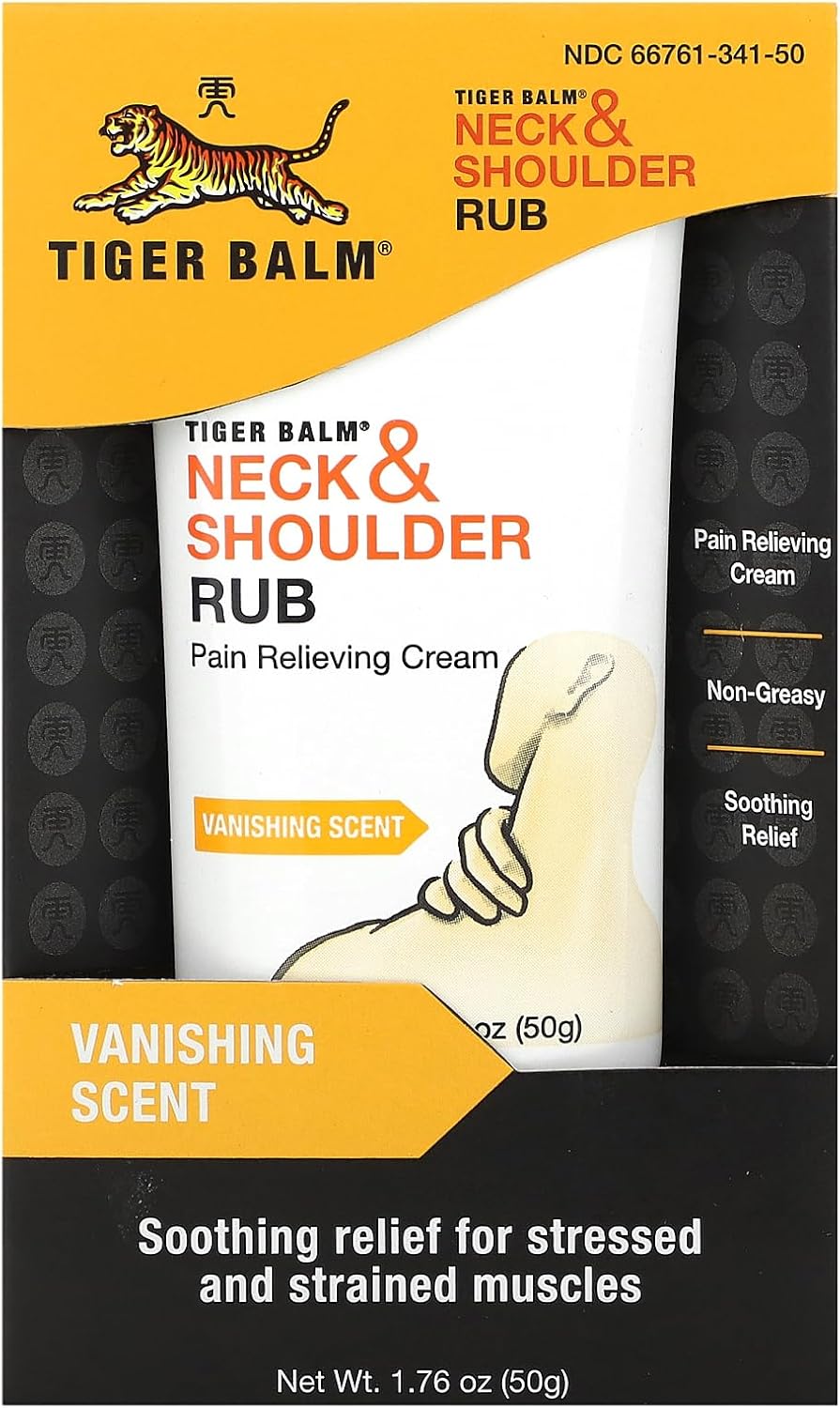
Check price on AmazonTiger Balm (the classic red and white balm formulations) leans on a combination of camphor (11%) and menthol (8%), plus smaller fractions of cajuput oil, clove oil, and dementholized mint oil. The camphor-forward profile gives Tiger Balm its characteristic deep-warming sensation and the strong, instantly recognizable scent. Per the FDA’s OTC Monograph M016 on External Analgesic Drug Products, camphor is approved as a topical analgesic at concentrations of 3–11%, so Tiger Balm operates at the regulated ceiling for camphor. The menthol at 8% is solidly mid-range—effective for a cooling overlay without overwhelming the camphor warmth. This stacking approach—warm-dominant but with a cooling contrast—is exactly why users often describe Tiger Balm as feeling “active” on the skin.
Tiger Balm is also available in liniment (liquid) and patch formats, which meaningfully expand its format fit. The patch version—a medicated adhesive strip—removes the mess variable entirely and delivers sustained release over hours. For buyers who want the Tiger Balm active profile without the application hassle, the patch format is worth serious consideration over the classic balm jar.
TIGER
$8.90
In stock on Amazon
Check price on AmazonSombra Warm Therapy
Sombra
$8.99
In stock on Amazon
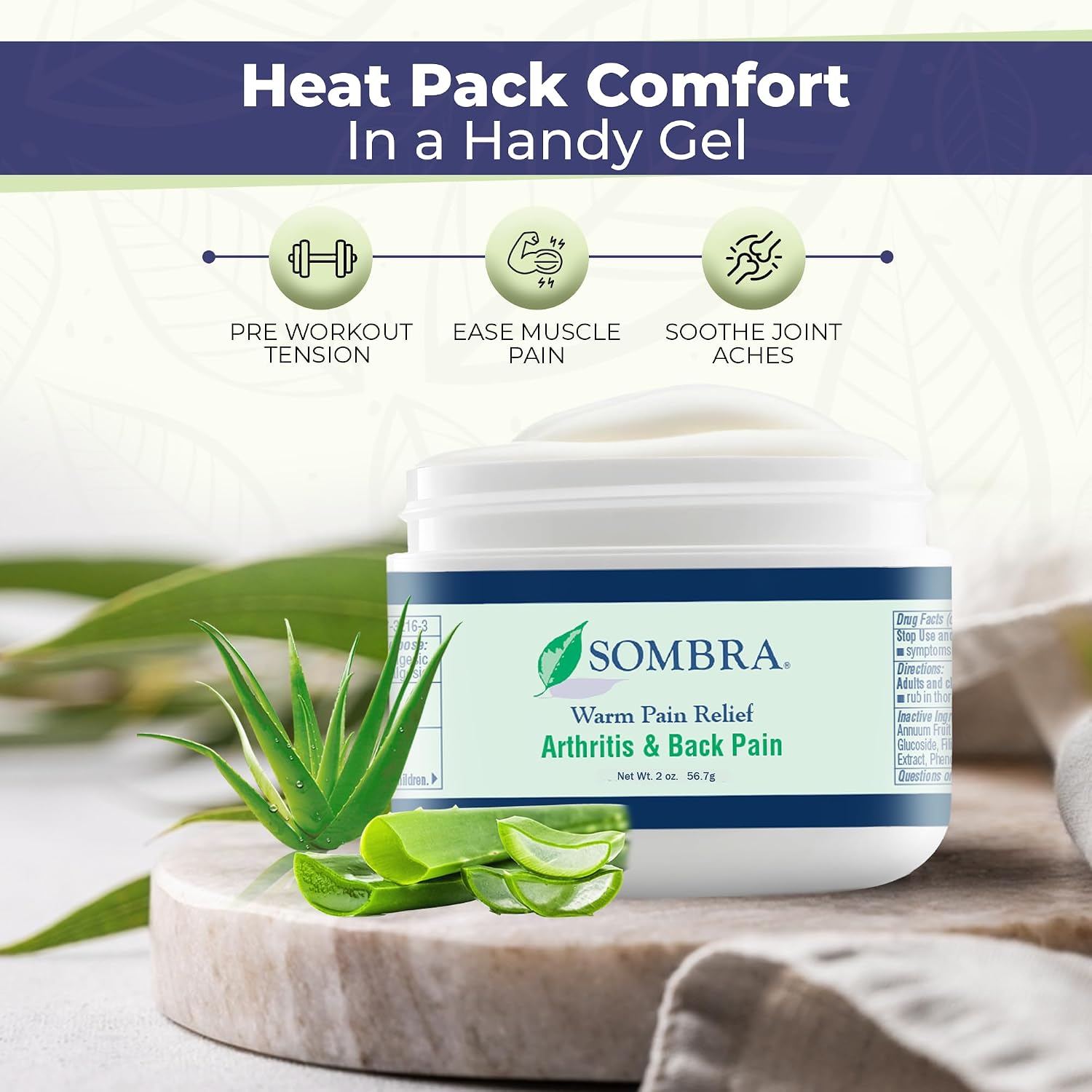
Check price on AmazonSombra Warm Therapy centers on menthol (8%) as its primary listed analgesic, but its real differentiator is the supporting cast: orange peel oil, aloe vera, and a cosmetically elegant lotion base. The menthol concentration matches Tiger Balm’s, but without significant camphor, the sensation profile is fundamentally different—warming is more subtle and sustained rather than immediate and intense. According to Pharmacy Times’ overview of OTC topical analgesics (“Topical Analgesics: Making Sense of the Options”), lotion-based vehicles can improve skin contact time compared to heavier balm formats, which matters for sustained relief.
Sombra is notably lighter on scent than the other two—a real-world factor that determines whether an athletic trainer or physical therapist can use it on clients in a shared space without complaints. Sombra also makes a Cool Therapy version (with a higher, cooling-dominant menthol concentration) for buyers who want cold sensation rather than warmth. This distinction matters: Mayo Clinic’s patient guidance on muscle pain (“Muscle Pain: Causes and Treatment Options”) notes that heat therapy is typically more appropriate for chronic stiffness and tension, while cooling agents better suit acute injury presentations. Know which type you are reaching for before purchasing.
Sombra
$8.99
In stock on Amazon
Check price on AmazonChina-Gel
China-Gel
$29.95
In stock on Amazon
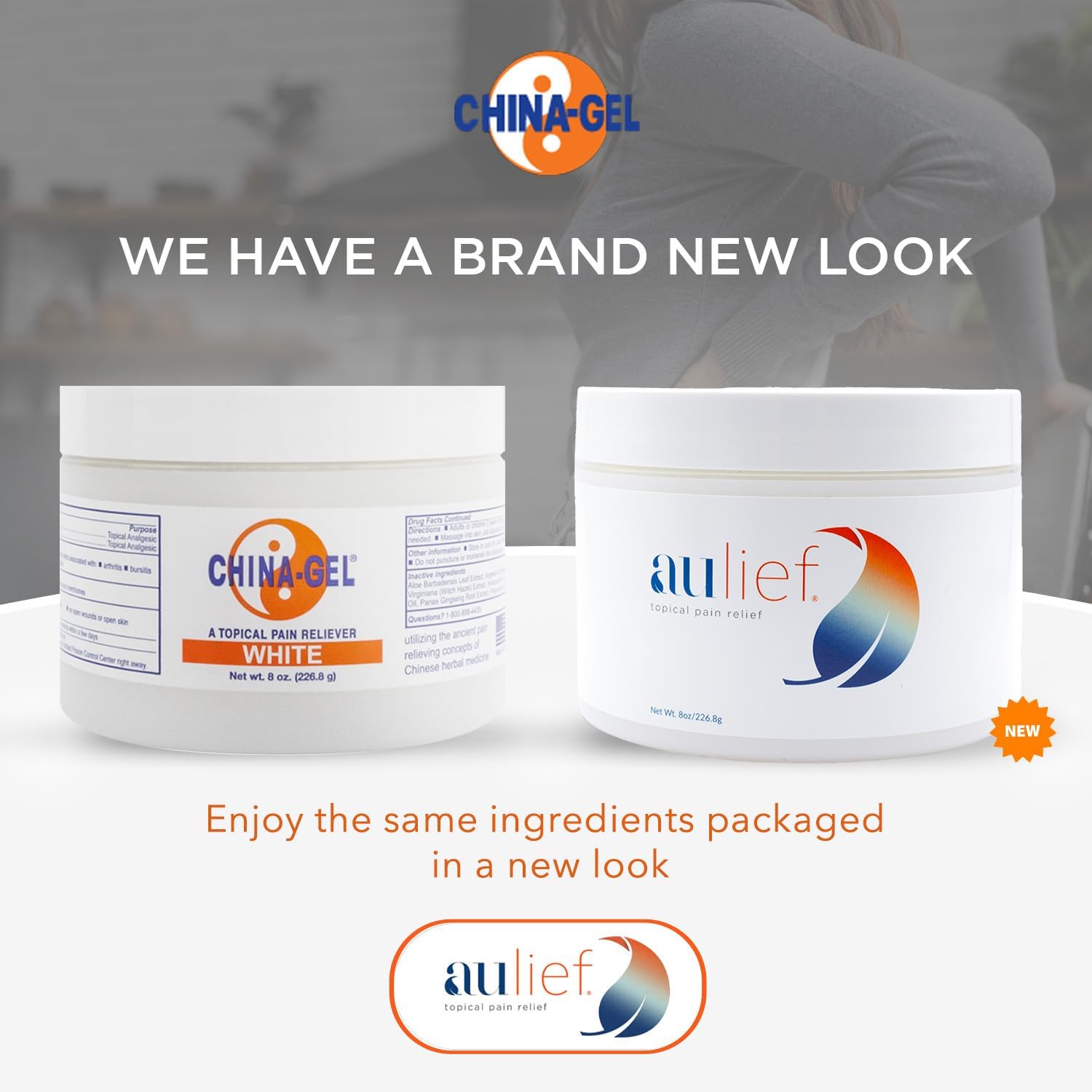
Check price on AmazonChina-Gel lists menthol (5%) as its sole active analgesic, supported by a gel base that includes herbal extracts—arnica, aloe, and a proprietary botanical blend. At 5% menthol, it delivers the lightest counterirritant stimulus of the three, well within the FDA-reviewed range of 3.1–16% for menthol as a topical analgesic per OTC Monograph M016. The gel delivery vehicle is meaningfully different from either a balm or a lotion: gel bases absorb faster, leave less residue, and are far less likely to stain fabric or equipment surfaces.
The herbal additive profile—arnica in particular—adds a recovery-oriented marketing dimension that resonates with fitness clients. According to the National Center for Biotechnology Information (NCBI), research into topical arnica’s anti-inflammatory properties is ongoing and promising, though the primary analgesic mechanism in China-Gel remains the menthol. China-Gel comes most commonly in a jar format, though tube options exist. Jar formats introduce hygiene variables in multi-client clinic settings; tube or pump options reduce contamination risk for professional use.
China-Gel
$29.95
In stock on Amazon
Check price on AmazonFormat and Delivery: Where Each One Wins and Loses
If ingredients are the engine, format is the chassis. The wrong format for a use case will undercut the effectiveness of even the right active profile.
Tiger Balm’s balm/ointment format creates a semi-occlusive layer on the skin—a light physical barrier that slows evaporation. That’s useful for joint-adjacent applications such as fingers, wrists, and ankles, where you want actives to linger. The trade-off is greasiness: it stains fabric if not fully absorbed, and the strong camphor scent is persistent. For home use and solo self-application to sore shoulders or a stiff lower back, Tiger Balm is entirely practical. For clinic use with back-to-back clients, the staining and scent risks are real considerations. The patch format resolves both.
Sombra Warm Therapy’s lotion format is the middle path. It absorbs well enough that patients can dress within a few minutes, the scent is low enough for shared treatment spaces, and the aloe and orange oil base leaves skin feeling conditioned rather than coated. Athletic trainers who have shifted to Sombra from heavier balms consistently report fewer client complaints about residue and scent in aggregated professional reviews. The lotion format also makes it easier to apply through clothing or compression garments when needed. The pump bottle format reduces waste significantly compared to a tub or jar and supports hygienic dispensing in multi-client settings.
China-Gel’s gel format is the fastest-absorbing of the three—nearly invisible on skin within 60–90 seconds per reported user experience—and leaves essentially no residue. For practitioners who do sports massage, the near-zero residue means clients can pull on compression gear or athletic wear immediately after treatment. Healthline’s review of topical analgesics and counterirritant mechanisms (“How Counterirritants Work for Pain Relief”) notes that gel vehicles typically deliver faster initial penetration than ointment or cream bases, which aligns with China-Gel’s primary practical advantage.
Comparison at a Glance
| Product | Primary Active | Concentration | Format | Scent Intensity |
|---|---|---|---|---|
| Tiger Balm (Red) | Camphor + Menthol | 11% / 8% | Balm | High |
| Sombra Warm Therapy | Menthol | 8% | Lotion | Low–Moderate |
| China-Gel | Menthol | 5% | Gel | Low |
Real-World Use Cases: Matching Product to Problem
Acute muscle soreness, post-workout, self-application at home: Tiger Balm Red or White is the classic choice. The camphor-menthol stack delivers immediate, noticeable sensation that most users describe as deeply satisfying for the first 20–40 minutes. It’s best applied before bed or after showering, when fabric staining is a non-issue. Cost-per-application is low—a small tin lasts significantly longer than its price suggests because balm concentration means you use very little per session.
Clinic or treatment-room use, multi-client setting: Sombra Warm Therapy is the practitioner consensus pick, and the pattern in professional reviews reflects that. The scent profile is often the decisive factor—physical therapy offices and athletic training rooms frequently have multiple clients present, and a camphor-heavy product applied early in the day will still be perceptible hours later. Sombra’s pump format also supports efficient, hygienic dispensing. If your clinic prioritizes client-facing professionalism and serves clients with varying scent sensitivities, Sombra is the cleaner operational choice.
Post-massage or post-treatment finish, client needs to dress quickly: China-Gel wins on format fit. The 5% menthol delivers a perceptible cooling-relief signal without the longer skin-saturation time of a balm, and the near-zero residue means clients can pull on compression gear or athletic wear without discomfort or staining risk.
Chronic joint stiffness, hands or knees, daily use: Tiger Balm patch or Sombra are both defensible here. The patch eliminates re-application friction for daily users and reduces skin irritation risk from repeated balm application to the same site. If a patient is applying product twice daily to the same joint for weeks, the patch format’s controlled, lower-stimulation delivery may be gentler long-term than repeated high-camphor balm application.
Cost-Per-Application Reality Check
Healthline’s overview of topical analgesics (“How Counterirritants Work for Pain Relief”) points out that price-per-ounce comparisons systematically understate value differences because application volume varies significantly by format. Balms require very small amounts per session; lotions moderate; gels moderate to slightly higher due to faster spread across the skin surface.
Rough benchmarks at mid-2026 pricing across major clinic-supply vendors:
- Tiger Balm (4 oz tin): approximately $8–$12 retail, yielding 30–50+ applications depending on area treated. Cost per application: $0.16–$0.40
- Sombra Warm Therapy (8 oz pump): approximately $22–$28, yielding 40–60 applications. Cost per application: $0.37–$0.70
- China-Gel (4 oz jar): approximately $14–$18, yielding 25–40 applications. Cost per application: $0.35–$0.72
For high-volume clinic purchasing in 32 oz or bulk formats, Sombra and China-Gel both offer meaningful per-ounce discounts that compress the per-application cost gap considerably. Tiger Balm bulk purchasing is less streamlined through U.S. clinic-supply channels, though it is widely available through general wholesale distributors.
When to Refer Out
Topical counterirritants address the sensation of pain—they do not resolve underlying injury, inflammation, or pathology. Per Mayo Clinic’s guidance on muscle and joint pain (“Muscle Pain: Causes and Treatment Options”), any discomfort that persists beyond 7–10 days of self-care, worsens rather than plateaus, is accompanied by swelling, redness, or fever, or follows a specific trauma event should be evaluated by a physician before continuing topical management. For practitioners: if a client is reaching for any of these products daily for longer than two weeks without meaningful improvement, that is a referral conversation, not a product-upgrade conversation.
The Decision Rule
If you’re a solo buyer managing everyday soreness and want maximum sensation per dollar → Tiger Balm Red, balm format.
If you’re a practitioner treating clients in a shared space and need low scent, fast absorption, and professional presentation → Sombra Warm Therapy lotion.
If your priority is zero residue, fast dressing post-treatment, and a recovery-positioned brand story that resonates with athletic clients → China-Gel.
If you want sustained, hands-free delivery for a chronic joint application without daily re-application friction → Tiger Balm patch format.
None of these is the wrong answer. All three are legitimately effective within their active-ingredient profile and FDA-reviewed concentration ranges per OTC Monograph M016. The question is whether the format fits the workflow and whether the sensation profile fits the client. Get those two right, and any of these products will earn its place in your kit.